
176 Mozart Terrace, A sponge garden
“Sponge gardens are specialised, sustainable, and eco-friendly landscaping features designed to absorb, store, and filter rainwater, mimicking natural hydrological cycles to prevent urban flooding. By using permeable materials and organic mulch, they reduce runoff, minimise erosion, and provide a self-watering environment for urban green spaces.”
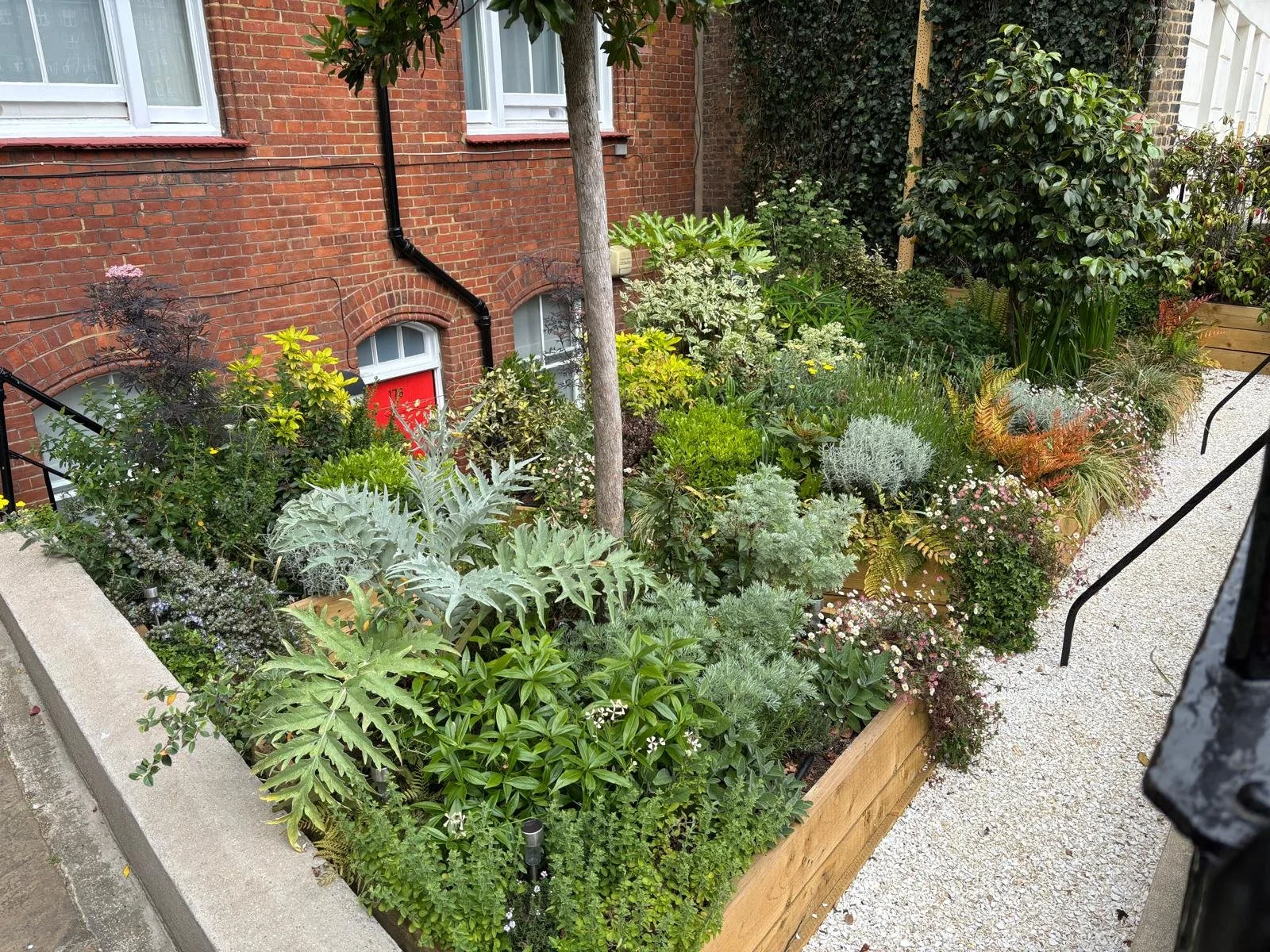
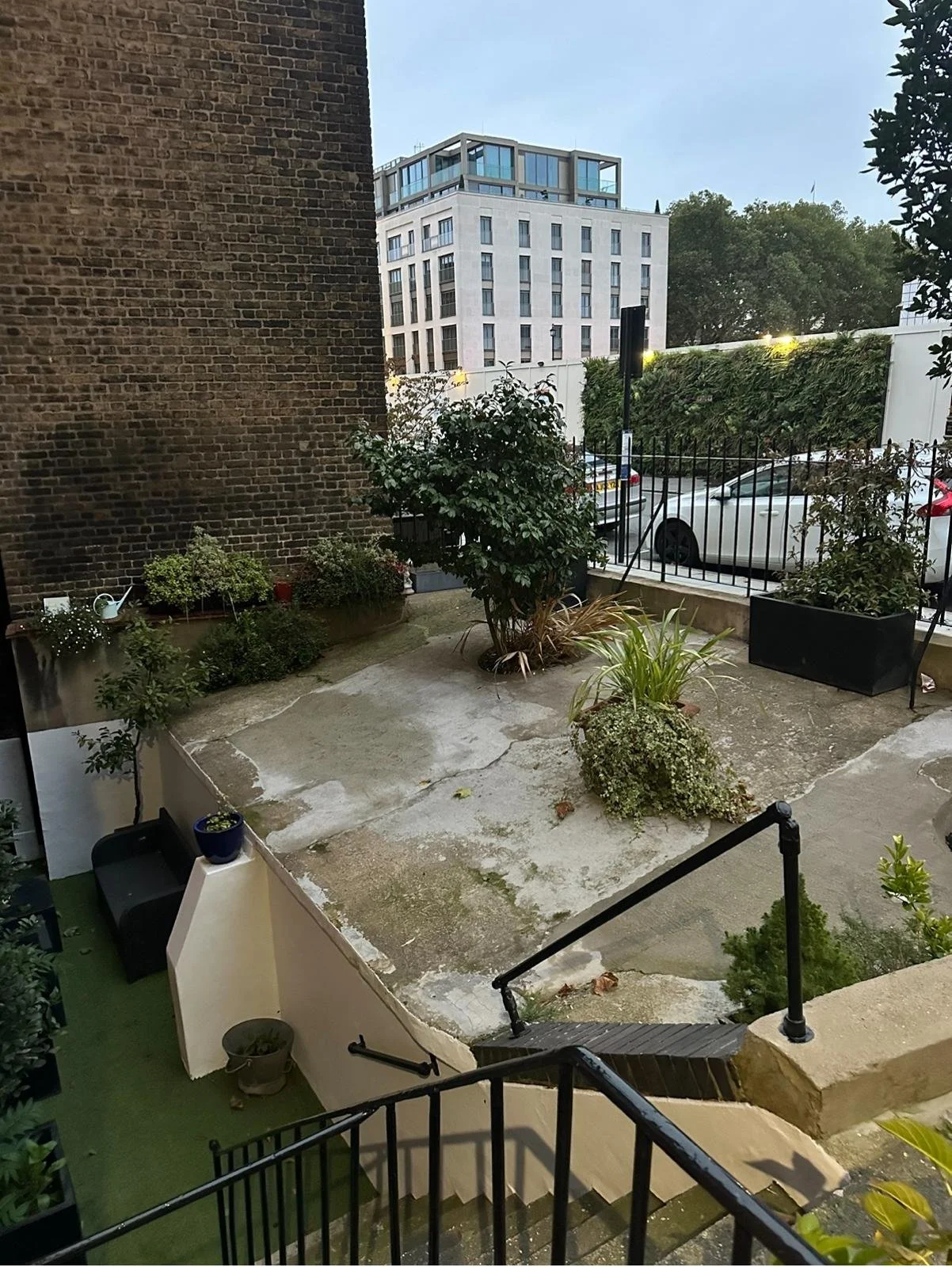
A collaborative approach to urban biodiversity in Belgravia
Biodiversity is fundamental to creating functional, healthy and vibrant places. As part of its long-term commitment to sustainability, Grosvenor is rethinking how urban environments can better support nature while enhancing the experience of those who live and work within them.
The residential eco-garden at 176 Mozart Terrace, Belgravia was delivered by the Central London Gardening Company, following an instruction from Grosvenor to create a front garden that would actively enhance biodiversity, improve climate resilience and demonstrate how nature-positive design can be integrated into traditional residential settings.
As Grosvenor’s first residential eco-garden, the project forms part of a wider programme of work across its London estate to create greener, more resilient places that benefit both people and nature.
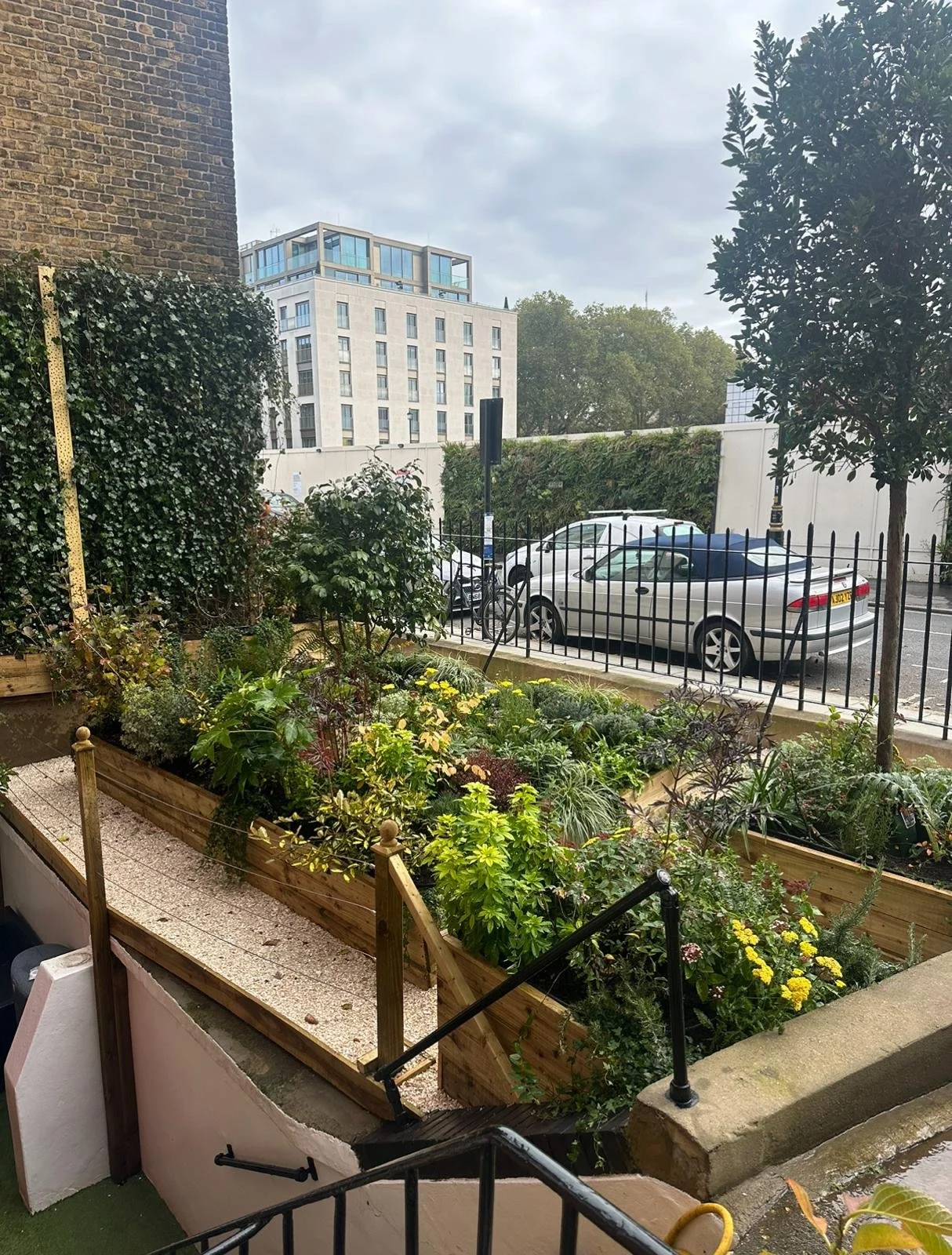
Transforming an urban front garden
Working closely with Grosvenor, Central London Gardening Company reimagined the front garden of this terrace home as a living, breathing urban ecosystem. Rather than a conventional ornamental garden, the space now functions as an urban sponge, capturing and slowing rainwater to reduce surface water pressure on the building while creating valuable habitat for wildlife.
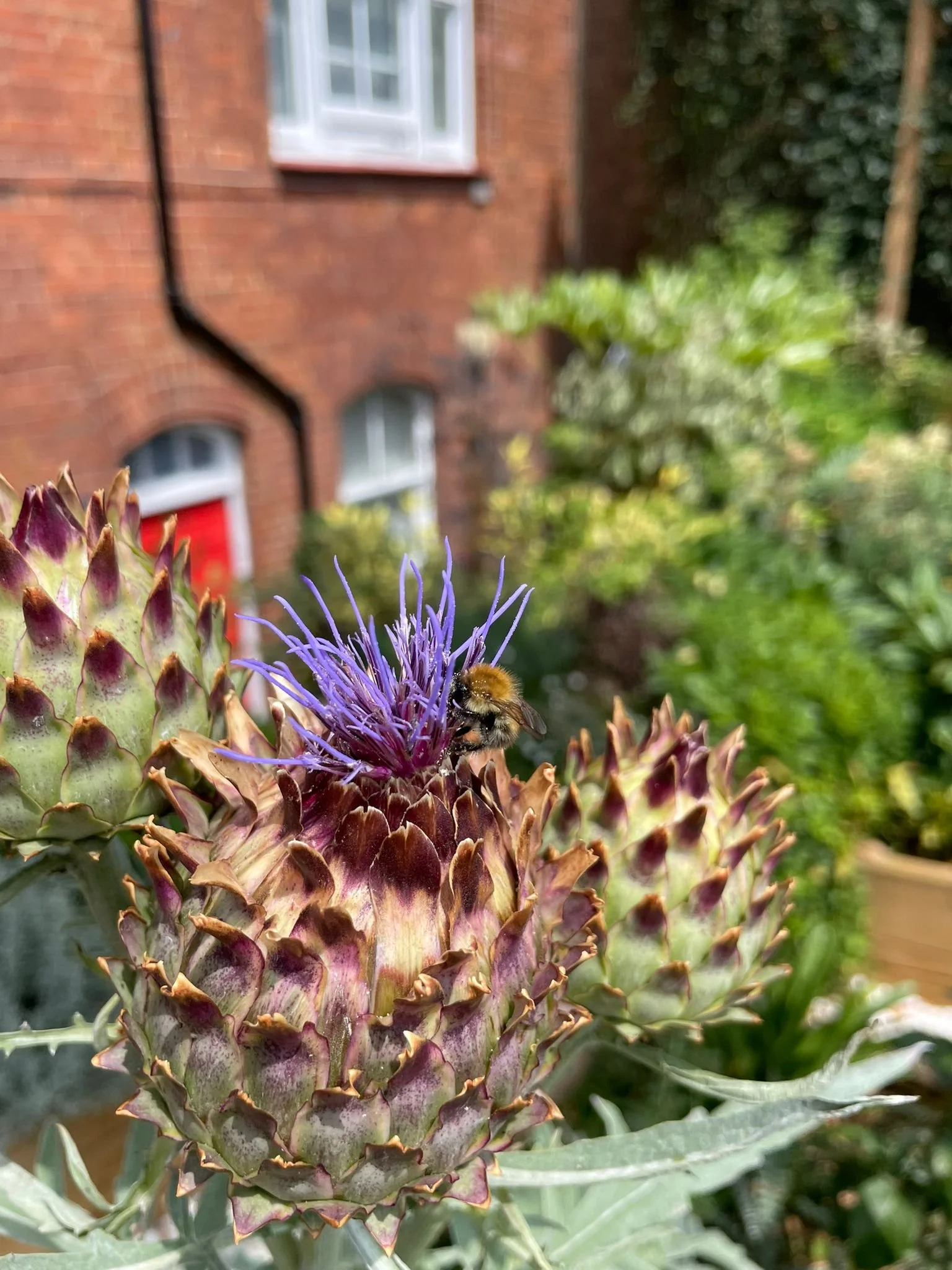
This nature-led design supports pollinators, birds and invertebrates, helping to restore biodiversity in a dense urban setting and contributing to a healthier local environment.
Nature-positive design in practice
The eco-garden incorporates a range of thoughtful, low-impact features that maximise environmental benefit:
Solar-powered irrigation, reducing energy use while supporting plant health during drier periods
Pollinator-friendly planting, selected from Grosvenor’s seasonal biodiversity menu to provide year-round food sources
Invertebrate-friendly features, including bee posts and habitats designed to support urban insect populations
Bird nesting balls, creating safe spaces for nesting and shelter
Together, these elements help create a resilient landscape that supports a diverse range of species while remaining practical and attractive for a residential setting.
Small changes, lasting impact
This project is a reminder that relatively small interventions in urban environments can have a significant positive impact on nature. By integrating biodiversity into everyday places, we can help support wildlife, improve climate resilience and create more vibrant neighbourhoods for people.
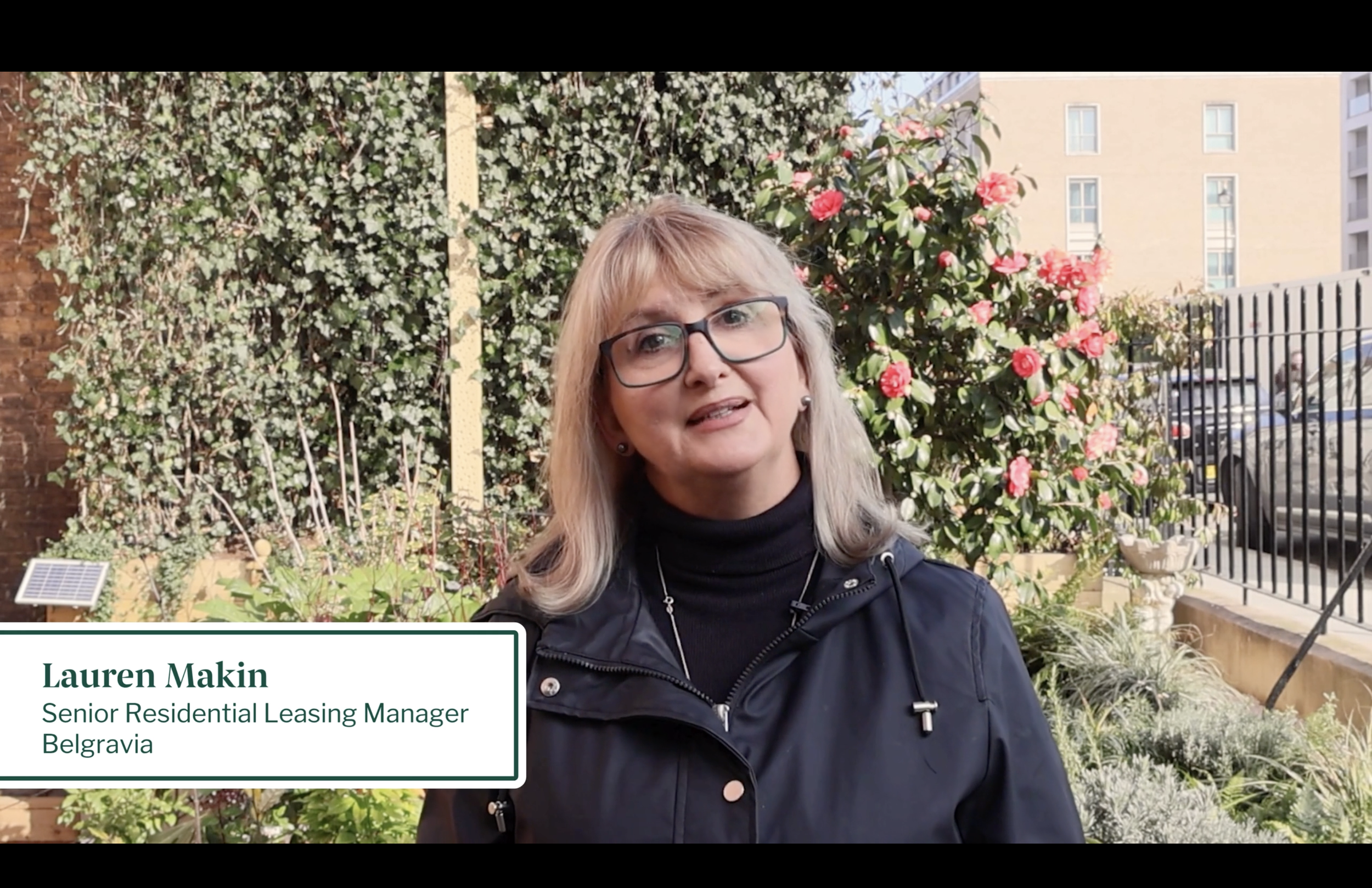
Watch the video to hear more about how the Central London Gardening Company worked with Grosvenor to deliver this project, and how Grosvenor is embedding biodiversity and sustainability into the places it manages.
This project directly supports Grosvenor’s Biodiversity Strategy, which sets out a clear ambition to deliver a minimum of 20% biodiversity net gain across managed green spaces by 2050.
To find out more about Grosvenor’s Sustainability Strategy and Biodiversity commitments